Will Welders Be Your New Remote Workers?
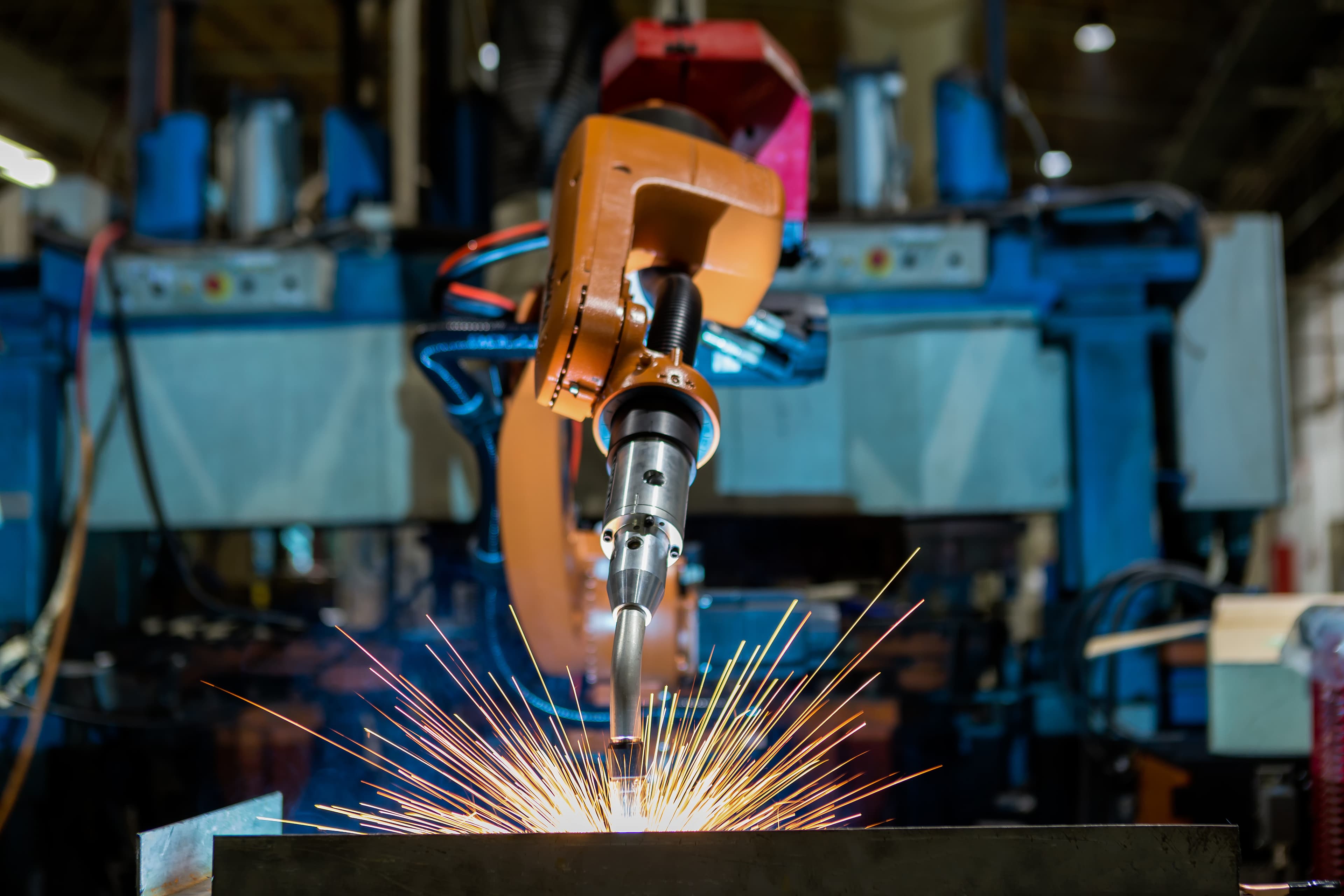
Imagining industrial fabrication with tele-welding
Amid technological advancements that are revolutionizing industries, tele-welding emerges as a groundbreaking innovation. This technology enables remote welding operations, thereby transforming the traditional welding landscape.
According to a report by Technavio, the North American market for tele-welding is expected to reach an astounding $4.2 billion by 2028, highlighting its rapid adoption and significance.
The innovative technology enhances efficiency and significantly reduces costs.
Tele-welding can cut welding expenses by up to 20%, making it a financially viable option for companies.
The technological leap
The core technology behind tele-welding is a sophisticated blend of live video streaming, telemetry data, and robotic equipment. Companies like EWI have been pioneers in this domain, developing systems that facilitate remote fabrication services.
These systems are not just prototypes but are being actively used in various industrial applications.
One of the most impressive features of tele-welding is its ability to integrate seamlessly with existing industrial machinery. This compatibility is crucial as it allows for a scalable solution that can adapt to the ever-changing demands of the welding industry.
Impact on North American industries
The adoption of tele-welding in North America is a technological imperative. Data from Thomasnet shows a 244% year-over-year increase in sourcing for robotic welding services, indicating a robust and growing demand for tele-welding solutions in the region.
The technology has found applications across a broad spectrum of industries in North America, including automotive, aerospace, construction, and more.
This wide-ranging applicability is a testament to the technology's versatility and effectiveness.
Addressing the skills gap
The skilled trades shortage is a pressing issue in North America, with more than 150,000 welders nearing retirement and over 336,000 new welders projected to be needed by 2026.
Tele-welding addresses this gap by enabling experienced welders to offer their expertise remotely, thereby creating a more skilled and versatile workforce.
Tele-welding is not just about performing remote operations; it's also a valuable tool for training and upskilling. The technology is being used to train new welders and to upskill experienced ones, thereby enhancing the overall skill level of the workforce.
The future of tele-welding
The future of tele-welding is laden with possibilities. With ongoing research and development, the technology is expected to find new applications.
It is already being used to improve the quality of welds in hard-to-reach locations, making it a versatile tool in the industry.
One of its most significant advantages is its ability to reduce the time it takes to complete welding projects.
This efficiency is crucial in an industry where time is often equated with money.
Regulatory and safety
Safety is a paramount concern in any industrial operation, and welding is no exception. tele-welding adheres to stringent safety protocols, thereby enhancing the safety of welding operations.
This adherence to safety standards is particularly important in an industry where even a minor lapse can have severe consequences. The regulatory landscape is still evolving, but initial frameworks are in place to ensure that the technology is used responsibly and safely.
These regulations are expected to become more comprehensive as the technology matures.
Economic implications
The economic benefits of tele-welding directly relate to reducing operational costs—the technology’s efficiency makes it a financially sound investment for businesses.
Notably, it’s also improving the quality of life for welders, making it an all-encompassing solution.
Additionally, the technology creates new jobs while also sustaining existing ones.
From idea to reality
EWI's tele-welding project serves as a successful case study that can be emulated by other industrial entities, showcasing the practical application and benefits. It demonstrates how tele-welding can augment existing manufacturing capabilities and open up new avenues for industrial growth and improved efficiencies.
This emerging technological advancement is a paradigm shift in industrial fabrication. It offers a forward-looking solution that addresses efficiency, safety, and the skills gap.
With its growing adoption and proven benefits, Tele-welding is set to become an invaluable asset in the modern industrial landscape.
