What Color Are Your Trucks?
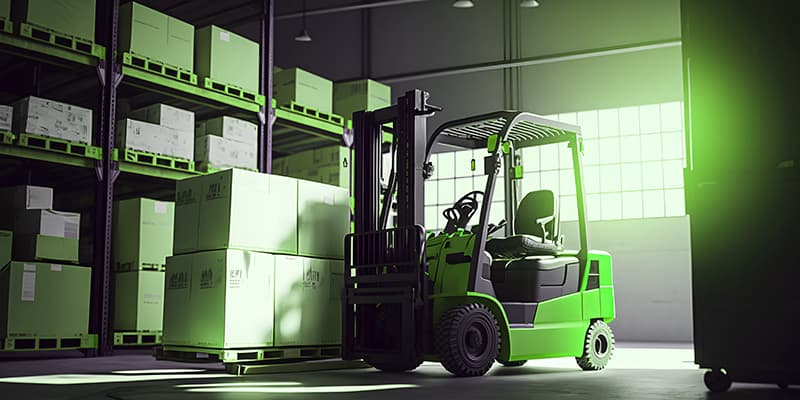
Why green is good in logistics and load handling
In an era where environmental concerns take center stage, industries are reevaluating their practices to align with sustainability goals. Logistics and load handling and vital supply chain components are no exception. By adopting eco-friendly practices, these sectors are reducing their carbon footprint and contributing to a greener future.
Embracing green logistics solutions entails more than just moving goods from point A to B. It involves incorporating strategies that minimize environmental impact.
One key aspect is using green packaging materials, which are biodegradable, recyclable, or renewable. Companies can significantly decrease their contribution to landfill waste and pollution by opting for these materials.
Let’s dive deeper into some additional practices and the benefits of adopting them:
Efficient route planning
Optimized route planning saves time and resources and reduces emissions. Companies can choose the shortest, most fuel-efficient paths by leveraging advanced, efficient route planning tools and software. This reduces unnecessary mileage and ensures smoother traffic flow, reducing greenhouse gas emissions.
Electric or hybrid vehicle adoption
The transportation sector is transforming with the increased adoption of electric or hybrid vehicles. Electric vehicles (EVs) produce zero tailpipe emissions, while hybrids combine conventional engines with electric power. This transition to cleaner vehicles significantly lowers air pollution and dependency on fossil fuels, contributing to more pristine air quality.
Green route optimization
Modern technology empowers logistics companies to choose environmentally friendly routes. Green route optimization tools consider factors like traffic congestion, emissions levels, and alternative fuel stations. This approach minimizes the carbon footprint of each shipment, proving that small decisions can lead to significant positive change.
Sustainable supply chain
An eco-friendly approach extends beyond transportation to the entire supply chain. Companies are choosing suppliers that prioritize sustainability and ethical practices. From raw material sourcing to manufacturing processes, a sustainable supply chain minimizes environmental impact, ensuring that the entire journey of a product upholds eco-conscious values.
Eco-conscious packaging
Beyond materials, eco-conscious packaging focuses on minimizing excess packaging, reducing waste, and optimizing container loads. Lightweight, compact packaging reduces shipping costs and lessens the ecological impact. Innovative designs and minimalistic packaging solutions are gaining traction as companies recognize their dual benefit: less waste and better efficiency.
Hybrid fleet management
Integrating hybrid fleet management systems can yield substantial environmental benefits for businesses reliant on large fleets. These systems monitor vehicle performance, maintenance needs, and fuel efficiency. By identifying areas for improvement, companies can make data-driven decisions that lead to lower emissions and more sustainable operations.
Sustainable freight solutions
Various modes of transportation have embraced sustainability from rail to sea. Companies are exploring sustainable freight solutions like intermodal transportation, which combines different methods to optimize efficiency and reduce emissions. Additionally, modal shifts to greener options, such as trains or ships, can drastically lower the carbon footprint of cargo movement.
Environmental logistics innovation
As the world shifts towards renewable energy and technological innovation, environmental logistics innovation takes center stage. From solar-powered vehicles to blockchain technology for transparent supply chains, the industry actively seeks ways to merge logistics with sustainability, creating a roadmap for a cleaner future.
Embracing eco-friendly practices in logistics and load handling isn't just a trend—it’s a necessity. As businesses recognize their role in safeguarding the planet, these practices become integral to their core operations, and many are finding increased efficiencies by doing so.
