A Sneak Peek into the Future: Industrial Manufacturing Market Trends for August 2023
The industrial manufacturing sector is constantly evolving, driven by technological advancements and global events. Staying updated with the latest market trends is crucial for businesses to remain competitive and thrive in the ever-changing landscape. In this article, we will take a sneak peek into the future and explore the key trends shaping the industrial manufacturing market for August 2023.
The Importance of Staying Up-to-Date on Market Trends
In today's fast-paced world, staying ahead of the curve is essential for businesses to maintain a competitive edge. The industrial manufacturing sector is no exception. By keeping a pulse on the market trends, companies can identify new opportunities, anticipate customer demands, and make informed strategic decisions.
Key Trends in the Industrial Manufacturing Sector for August 2023
As we delve into the future of the industrial manufacturing sector for August 2023, several key trends emerge. One of the prominent trends is the increasing adoption of automation and robotics. With advancements in artificial intelligence and machine learning, manufacturers are leveraging these technologies to streamline operations, improve efficiency, and reduce costs. Automation not only enhances productivity but also enables manufacturers to meet the growing demand for customized products.
Another significant trend is the shift towards sustainable practices. As concerns about the environment continue to rise, consumers are increasingly demanding eco-friendly products. Industrial manufacturers are embracing sustainability by integrating renewable energy sources, implementing waste reduction strategies, and developing environmentally friendly materials. By adopting sustainable practices, manufacturers can not only meet customer expectations but also contribute to a greener future.
Additionally, the industrial manufacturing sector is witnessing a digital transformation. The Internet of Things (IoT) is revolutionizing the way manufacturers operate by connecting machines, devices, and sensors. This connectivity enables real-time data collection and analysis, facilitating predictive maintenance, optimizing supply chains, and improving overall operational efficiency. Embracing digital technologies is crucial for manufacturers to remain competitive in an increasingly interconnected world.
Technological Advancements Shaping the Future of Industrial Manufacturing
Technological advancements are at the forefront of shaping the future of the industrial manufacturing sector. One such advancement is the integration of artificial intelligence (AI) and machine learning (ML). AI-powered algorithms can analyze vast amounts of data to identify patterns, make predictions, and optimize processes. ML algorithms enable machines to learn from experience and continuously improve performance. By harnessing the power of AI and ML, manufacturers can enhance productivity, reduce downtime, and improve product quality.
Another transformative technology is additive manufacturing, more commonly known as 3D printing. 3D printing allows manufacturers to create complex parts with precision and speed, eliminating the need for traditional manufacturing techniques. This technology enables rapid prototyping, customization, and on-demand production, revolutionizing the manufacturing process. As 3D printing becomes more affordable and accessible, it is expected to disrupt traditional manufacturing methods and unlock new possibilities for innovation.
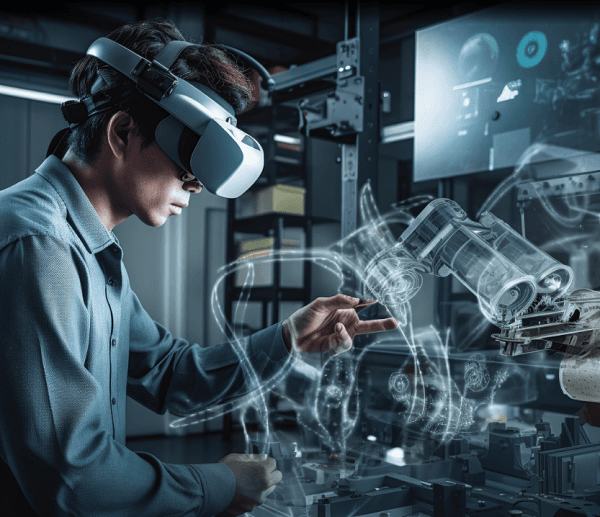
Furthermore, the industrial manufacturing sector is embracing the potential of augmented reality (AR) and virtual reality (VR). AR and VR technologies enable manufacturers to visualize designs, simulate production processes, and train employees in a virtual environment. These immersive technologies enhance collaboration, improve training effectiveness, and reduce the time and cost associated with physical prototypes. As AR and VR continue to evolve, they will become integral tools in the industrial manufacturing sector.
Impact of Global Events on the Industry in August 2023
Global events can have a significant impact on the industrial manufacturing sector. In August 2023, several factors are expected to influence the industry. One such factor is the ongoing COVID-19 pandemic and its aftermath. While the world is gradually recovering from the pandemic, the manufacturing sector continues to face challenges such as supply chain disruptions, labor shortages, and fluctuating demand. Manufacturers must remain agile and adapt to the changing circumstances to mitigate the impact of the pandemic.
Another global event that will impact the industrial manufacturing sector in August 2023 is the shift towards renewable energy. As governments and businesses prioritize sustainability, there is a growing demand for renewable energy sources. This shift will require manufacturers to adapt their processes and develop innovative solutions to support the transition to a greener future. Manufacturers investing in renewable energy technologies and sustainable practices will be well-positioned to capitalize on this trend.
Additionally, geopolitical factors such as trade agreements and economic policies can influence the industrial manufacturing sector. Changes in trade regulations, tariffs, and political stability can impact global supply chains and market dynamics. Manufacturers must closely monitor geopolitical developments and assess potential risks and opportunities to navigate the changing landscape effectively.
Strategies for Businesses to Adapt to the Changing Market Trends
To adapt to the changing market trends in the industrial manufacturing sector, businesses can employ several strategies. Firstly, investing in research and development is crucial to stay at the forefront of technological advancements. By allocating resources to innovation, manufacturers can develop new products, improve existing processes, and explore emerging trends. Collaborating with research institutions and industry partners can also facilitate knowledge exchange and foster innovation.
Secondly, fostering a culture of continuous learning and upskilling is essential for businesses to embrace the future of industrial manufacturing. As technologies evolve, employees need to acquire new skills and competencies to operate advanced machinery, analyze data, and leverage digital tools. Offering training programs, mentorship, and career development opportunities can empower employees and ensure they are equipped to adapt to the changing landscape.
Furthermore, businesses should prioritize collaboration and partnerships. By joining forces with other organizations, manufacturers can access complementary expertise, share resources, and drive innovation. Collaborative initiatives can foster knowledge sharing, accelerate product development, and create synergies that benefit all parties involved. Embracing an ecosystem approach can enable manufacturers to leverage collective intelligence and navigate the market more effectively.
Future Predictions and Forecasts for the Industrial Manufacturing Sector
Looking ahead, the industrial manufacturing sector is poised for continued growth and innovation. Several future predictions and forecasts can provide insights into the direction the industry may take in August 2023 and beyond.
Increased Adoption of Smart Manufacturing: With the integration of IoT, AI, and automation, smart manufacturing will become more prevalent. Connected machines, real-time data analysis, and predictive maintenance will optimize production processes and enhance overall efficiency.
Expansion of Additive Manufacturing: 3D printing will continue to disrupt traditional manufacturing methods. The technology will become more accessible, allowing manufacturers of all sizes to leverage its benefits. Customization, rapid prototyping, and reduced waste will be key drivers of its adoption.
Emphasis on Cybersecurity: As industrial manufacturing becomes more digitized, the risk of cyber threats increases. Manufacturers will prioritize cybersecurity measures to protect their intellectual property, sensitive data, and critical infrastructure. Robust cybersecurity frameworks will be essential for maintaining trust and safeguarding operations.
Reshoring and Regionalization: In response to supply chain disruptions and geopolitical uncertainties, manufacturers will explore reshoring and regionalization strategies. By diversifying their supply chains and localizing production, businesses can mitigate risks and enhance resilience.
Continued Focus on Sustainability: Sustainability will remain a key consideration for manufacturers. The adoption of renewable energy, eco-friendly materials, and circular economy practices will become standard in the industry. Manufacturers that prioritize sustainability will not only meet regulatory requirements but also attract environmentally conscious customers.
Key Considerations for Businesses to Navigate the Market in August 2023
As businesses navigate the industrial manufacturing market in August 2023, several key considerations should be kept in mind.
Agility and Adaptability: The ability to respond quickly to changing market conditions is crucial. Manufacturers need to be agile and adapt their strategies, processes, and products to meet evolving customer demands and market trends.
Collaboration and Partnerships: Forming strategic collaborations and partnerships can provide access to new markets, technologies, and resources. By leveraging collective strengths, businesses can accelerate innovation, expand their reach, and enhance competitiveness.
Talent Acquisition and Retention: As technologies advance, the demand for skilled workers will increase. Manufacturers should invest in attracting and retaining top talent, focusing on upskilling and reskilling programs to bridge the skills gap. Creating a positive work environment and offering competitive compensation packages will also be essential.
Risk Management and Resilience: Manufacturers should proactively assess and mitigate risks to ensure business continuity. This includes diversifying supply chains, adopting robust cybersecurity measures, and staying informed about geopolitical developments that may impact operations.
Customer-Centric Approach: Understanding customer needs and preferences is crucial for success. Manufacturers should invest in market research, gather customer feedback, and adapt their products and services accordingly. By delivering value and exceptional customer experiences, businesses can foster loyalty and gain a competitive advantage.
Embracing the Future of Industrial Manufacturing
As we look into the future of the industrial manufacturing sector for August 2023 and beyond, it is evident that technological advancements, sustainability, and global events will shape the industry's landscape. By staying up-to-date on market trends, embracing innovation, and adopting a customer-centric approach, businesses can navigate the changing market successfully. The key to success lies in agility, collaboration, and a commitment to sustainability. By embracing the future, industrial manufacturers can position themselves as leaders in a rapidly evolving industry.
https://secure.viewer.zmags.com/publication/c4bbcaf9#/c4bbcaf9/7
