Laser Cutting Software - Digital precision driving manufacturing forward
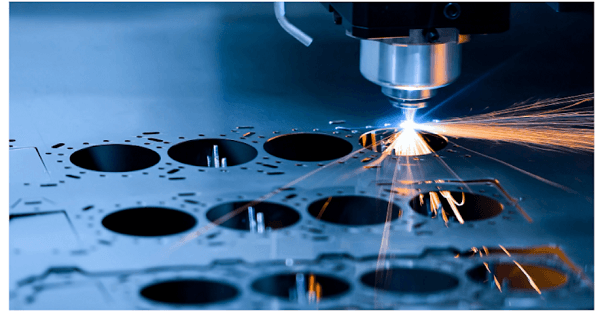
In the ever-evolving landscape of industrial manufacturing, precision and efficiency have become more critical than ever.
Laser cutting, a technology that employs a high-powered laser beam to cut through various materials, has gained widespread adoption for its ability to deliver intricate, precise cuts with exceptional accuracy.
Central to the success of these processes is laser cutting software, a digital solution that serves as the command center for these high-tech machines. In this article, we delve into the world of laser cutting software, its significance in the manufacturing industry, and its role in shaping the future of manufacturing.
The key to precision
Laser cutting software plays a pivotal role in modern manufacturing. It serves as the bridge between digital designs and physical cuts, translating intricate CAD (Computer-Aided Design) files into precise, real-world results. The software controls various aspects of the laser cutting process, including the laser's power, speed, and focus, to ensure the desired cuts are achieved with utmost accuracy.
What are its key functions?
CAD integration—Laser cutting software seamlessly integrates with CAD systems, allowing engineers and designers to import design files directly. This feature ensures that the designs are accurately represented in the physical world.
Path planning—The software generates optimized cutting paths, reducing material waste and increasing efficiency. By determining the most efficient route for the laser beam, it minimizes production time and energy consumption.
Nesting optimization—Laser cutting software intelligently arranges parts on the material sheet to maximize material usage and minimize scrap. This reduces material costs and contributes to sustainability efforts.
Real-time monitoring—Many laser cutting software packages provide real-time monitoring of the cutting process. Operators can track the progress, detect any issues, and make adjustments on the fly to maintain quality and productivity.
Challenges and considerations
While laser cutting software offers a plethora of advantages, it is essential to address some challenges. For instance:
Different materials require specific laser settings. The software must accommodate a wide range of materials, including metals, plastics, and composites.
Achieving optimal cut quality is a complex task, and factors such as material thickness, laser power, and focus must be precisely controlled. Continuous calibration and maintenance are necessary to ensure consistent quality.
Laser cutting software requires operators with a deep understanding of the technology. Proper training is essential to maximize the software's capabilities and minimize errors.
The future of laser cutting software
As technology continues to advance, so does the potential of laser cutting software in manufacturing:
Automation—The integration of artificial intelligence (AI) and machine learning into laser cutting software promises to enhance automation. This includes real-time optimization of cutting parameters, predictive maintenance, and adaptive cutting strategies.
Connectivity—Laser cutting software is becoming increasingly connected to the Internet of Things (IoT) platforms, allowing remote monitoring and control. This is particularly beneficial for companies with multiple manufacturing facilities.
Sustainability—Sustainability is a growing concern in manufacturing, and laser cutting software's ability to optimize nesting, reduce scrap, and minimize energy consumption aligns well with eco-friendly manufacturing practices.
Customization—Manufacturers are demanding greater customization capabilities. Advanced laser cutting software will enable intricate, personalized designs, catering to the evolving demands of consumers.
Laser cutting software is at the heart of precision manufacturing, shaping the way industries work with materials. Its role in translating digital designs into intricate, real-world cuts cannot be overstated. As technology continues to evolve, laser cutting software is poised to drive manufacturing forward, offering increased automation, connectivity, sustainability, and customization.
