Going Beyond The Regs- Steps to improved manufacturing safety
It’s been said that any workplace is an accident waiting to happen.
Industrial safety holds utmost significance in the manufacturing sector, where heavy machinery and intricate processes prevail. Employee well-being is directly linked to organizational success—lose an employee to a workplace accident, even temporarily, and productivity suffers.
A secure work environment is established by focusing on industrial safety, boosting morale and productivity.
A prime advantage of emphasizing industrial safety is the reduction of workplace accidents. Implementing safety measures like training, equipment upkeep, and hazard identification minimizes mishaps. This safeguards employees and curtails financial losses tied to medical expenses, compensation claims, and legal liabilities.
Prioritizing industrial safety bolsters reputation and attracts skilled workers.
Companies showing dedication to employee welfare become preferred choices. Investing in safety programs and fostering a safety-focused culture positions organizations as prime employers, drawing top industry talent.
What follows are tips for ensuring industrial safety in manufacturing and thus protecting your workforce.
Critical Workplace Hazards in Manufacturing Machine-related hazards—Proper training and maintenance for heavy machinery are essential.
• Chemical exposure—Adequate training and protective equipment for handling chemicals are vital.
• Ergonomic hazards—Implementing ergonomic practices minimizes risks from repetitive tasks and heavy lifting.
• Electrical hazards—Regular inspections and proper training mitigate electrical risks.
Complying with safety regulations
Compliance with safety regulations is pivotal. Authorities at various levels have laid out guidelines to ensure employee well-being. Adherence not only ensures employee safety but also shields organizations from legal consequences.
To stay compliant, keeping abreast of industry safety regulations is vital. Regularly reviewing safety protocols and engaging with industry associations aids in staying updated.
Create a robust safety program
Identify and prioritize potential hazards through risk assessment
• Document safety policies and procedures; clearly define safety protocols aligned with regulations.
• Training and education: Hold regular safety training and tailored task-specific education.
• Establish efficient communication for prompt reporting of safety concerns.
• Form committees to identify issues and implement corrective actions.
Employee training and education
• Orientation training: Introduce new employees to safety policies and procedures.
• Task-specific training: Provide hands-on training for specific roles and responsibilities.
• Refresher training: Hold regular sessions to reinforce safety protocols and updates.
• Safety drills: Simulating emergencies will familiarize employees with safety procedures.
• Documentation: Maintaining records for future training and audits.
Implementing safety equipment and technology
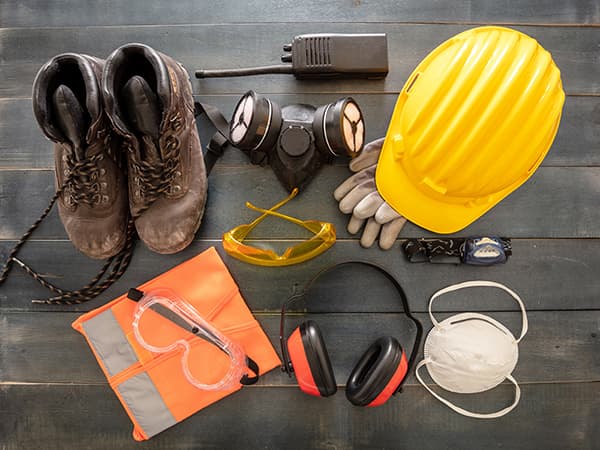
Personal protective equipment (PPE): Ensure proper availability and maintenance of PPE.
• Machine guarding: Installing guards to prevent contact with moving parts prevents injury.
• Fall protection systems: Implement measures for working at heights.
• Safety sensors and alarms: Install systems for early warnings.
• Automation and robotics: Explore automation to minimize employee exposure to hazards.
Conduct regular safety inspections and audits
• Establish a routine inspection schedule.
• Checklists and protocols: Develop comprehensive lists.
• Documenting findings: Record identified hazards and corrective actions.
• Corrective actions: Swiftly address issues and implementing corrective measures.
• External audits: Engage external auditors for unbiased assessments.
Record-keeping and reporting
• Incident reporting procedures: Establish transparent reporting processes.
• Documentation: Promptly record incidents and near misses.
• Analysis: Investigate incidents to determine root causes.
• Trend analysis: Identifying patterns can yield targeted improvements.
• Regulatory reporting: Complying with required incident reporting.
Do you have a safety culture?
• Leadership commitment: Management's active participation and commitment.
• Employee involvement: Including employees in safety initiatives and recognizing contributions.
• Communication and training: Regularly communicating safety messages and providing training.
• Recognition and incentives: Rewarding safety-conscious behavior.
• Continuous improvement: Encouraging employees to identify hazards and participate in safety initiatives.
Management’s role in safety
• Demonstrating safety commitment through leadership’s actions.
• Resource allocation: Providing necessary resources for safety programs.
• Training and education: Ensuring proper training and ongoing support.
• Communication: Regularly communicating safety messages.
• Performance evaluation: Incorporating safety metrics in assessments.
What trends will improve workplace safety?
The Internet of Things (IoT), will use the latest technology for real-time hazard monitoring. AI and machine learning is likely to predict risks through data analysis. Virtual Reality (VR) and Augmented Reality (AR) can enhance training through immersive experiences. Look for wearable technology to monitor vital signs and hazardous conditions. Finally, behavior-based safety programs can influence safe behavior through timely feedback.
Prioritizing industrial safety within manufacturing isn't just a choice—it’s necessary to safeguard your workforce's welfare. From pinpointing potential risks to fostering a safety culture, every step contributes to a secure work environment.
Read more in out September 25th Weekly Issue: https://secure.viewer.zmags.com/publication/29585367#/29585367/1
