Forging Success: Empowering tomorrow's metal workers
If you drive, fly, make, drive on, or work in something, thank a metal worker.
Metal workers play a vital role in modern society, contributing to the development and maintenance of our infrastructure, manufacturing, and various industries. The work they do is crucial in building bridges, constructing buildings, and fabricating essential components for machinery and vehicles. Metal workers literally build our modern world, or provide the means to do so.
Without skilled metal workers, our society would lack the foundation for progress and innovation.
Where it begins: education
Education equips metal workers with skills to read blueprints, operate machinery, and weld metals. Formal programs in vocational schools and technical colleges offer specialized courses in metal work, providing a strong foundation. By honing their skills through hands-on training and classroom instruction, students develop a strong understanding of the principles and best practices in metal work.
As technology evolves, ongoing training and professional development opportunities are crucial for metal workers to stay updated with the latest advancements in their industry. Even minor advancements in techniques means metal workers need to adapt and learn how to operate new tools and equipment.
Learning by doing
Apprenticeship programs offer aspiring metal workers a unique opportunity to learn from experienced professionals while gaining practical hands-on experience. These programs combine on-the-job training with classroom instruction, providing a comprehensive learning experience.
During an apprenticeship, aspiring metal workers work alongside seasoned professionals, observing and assisting them in various tasks. This hands-on experience allows apprentices to develop their skills in a real-world setting, preparing them for the challenges they will face in their careers.
In addition to practical experience, apprenticeships also provide classroom instruction where apprentices learn the theoretical aspects of metal work. They study topics such as metallurgy, safety regulations, and advanced welding techniques. This combination of practical and theoretical learning ensures that apprentices acquire a well-rounded skill set.
Tools and the tech revolution
Innovative tools drive efficiency and precision in metal work. These new tools and technologies have revolutionized the way metal workers approach their craft, making processes more efficient, precise, and safe.
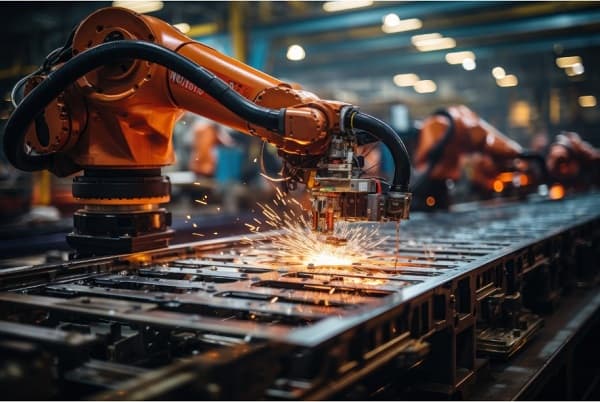
Consider recent refinements in your lifetime: Computer numerical control (CNC) machines enable accurate and intricate metal work. 3D printing creates detailed metal components, reducing waste. Robotics automate welding tasks, enhancing productivity and safety.
As technology continues to advance, metal workers must embrace these new tools and technologies to remain competitive. By staying abreast of the latest developments and continuously expanding their skill set, metal workers can harness the power of innovation for a lifetime of career success.
Can’t afford to be left behind
Innovation is a driving force in the metal working industry, constantly pushing boundaries and driving progress. Metal workers who embrace innovation and adapt to new techniques and technologies are better positioned to succeed in their careers.
One area where innovation has had a significant impact is in sustainable metal work practices. As society becomes increasingly aware of the importance of environmental sustainability, metal workers are finding new ways to minimize waste, reduce energy consumption, and utilize eco-friendly materials.
Diversity and inclusion
Promoting diversity and inclusion in the metal working industry is crucial for creating a more equitable and representative workforce. Traditionally, metal work has been a male-dominated field, with limited opportunities for women and minority groups. However, efforts are being made to break down these barriers and promote inclusivity.
Organizations and industry associations are working towards increasing diversity by providing scholarships, mentorship programs, and networking opportunities for underrepresented groups. These initiatives aim to attract and retain diverse talent in the metal working industry.
Aspiring metal workers have access to a wealth of resources that can support their journey towards success. Trade associations, educational institutions, online platforms, and industry events provide valuable information, training opportunities, and networking platforms.
By empowering metal workers and embracing all that they can do, we invest in a brighter future. These skilled professionals will continue to shape the world we live in, and leave a lasting legacy.
