Breaking Barriers and Driving Progress - Empowering women in the manufacturing industry
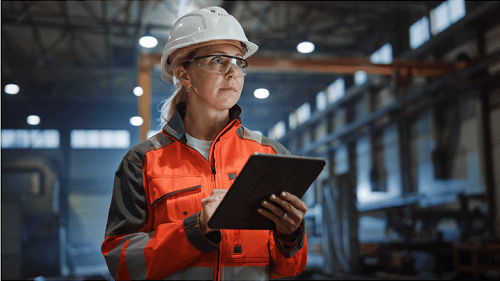
The manufacturing industry has long been perceived as a male-dominated field, with women underrepresented in its workforce. In recent years, there has been a notable shift as more and more women are breaking barriers and making significant strides in this traditionally male-centric sector.
This article details the pivotal role women play in the manufacturing industry, their challenges, accomplishments, and the initiatives fostering inclusivity and gender equality within the sector.
The rise of women in manufacturing
Historically, women have faced various societal barriers, limiting their participation in industrial sectors such as manufacturing. Stereotypes and biases have perpetuated the notion that certain fields are more suited for men, while women's contributions have been overlooked or undervalued. However, times are changing, and the rise of women in manufacturing is a testament to their resilience and determination to break the glass ceiling.
Women have been instrumental in driving innovation and progress across various manufacturing disciplines, including aerospace, automotive, electronics, and more. Their involvement spans from research and development to production and management, and they continue to shatter stereotypes, proving that gender is not a determining factor in one's abilities and potential to succeed.
The importance of diversity and inclusion
Diversity and inclusion are not just buzzwords; they are critical elements in building a thriving and innovative manufacturing industry. Companies with diverse workforces tend to be more creative, adaptable, and better equipped to solve complex challenges.
Studies have shown that gender-diverse companies are more likely to outperform their competitors, highlighting the positive impact of gender equality on organizational performance.
Inclusion is equally vital, as it ensures that women in manufacturing are given equal opportunities to excel, advance, and take leadership roles. Establishing inclusive workplaces, where everyone's perspectives are valued, fosters an environment of collaboration, leading to better problem-solving and higher levels of job satisfaction.
Challenges faced by women in manufacturing
Despite the progress made, women in manufacturing still encounter unique challenges in their careers. Some of the prominent issues include:
Gender Bias: Gender bias can manifest in various ways, such as stereotypes that assume women are not as mechanically inclined or capable of handling physically demanding tasks. Such biases can hinder women from being considered for certain roles or promotions.
Lack of Role Models: The scarcity of female role models and mentors in manufacturing can make it difficult for aspiring women to envision themselves in leadership positions or as pioneers in the industry.
Work-Life Balance: Balancing work responsibilities with family commitments is a challenge many women face across various industries. Manufacturing's demanding schedules and physical demands can add to this struggle.
Underrepresentation in Leadership: While progress is being made, women still remain underrepresented in executive and leadership roles within manufacturing companies.
Fostering a supportive environment
To empower women in manufacturing and address the challenges they face, companies and the industry as a whole need to take proactive steps to foster a supportive environment. Some essential initiatives include:
Mentorship and Sponsorship Programs: Establishing mentorship and sponsorship programs can help connect women with experienced professionals who can provide guidance, support, and career development opportunities.
Training and Skill Development: Companies should invest in training programs that promote gender equality, providing equal access to skill development opportunities for all employees.
Encouraging Work-Life Balance: Flexible work arrangements and family-friendly policies can help support women in managing their professional and personal responsibilities effectively.
Promoting Gender Equality in Leadership: Companies should actively strive to increase the representation of women in leadership positions through targeted efforts and a commitment to creating a diverse leadership team.
Highlighting Success Stories: Celebrating the accomplishments of women in manufacturing and sharing their success stories can inspire and motivate other women to pursue careers in the industry.
Inspiring success stories
The stories of women making significant contributions to the manufacturing industry are truly inspiring and demonstrate the potential for gender equality and diversity to drive progress. From engineers leading groundbreaking research and development projects to skilled technicians excelling in precision machining, women have proven their mettle and shattered stereotypes along the way.
One such success story is that of Dr. Sarah Adams, a materials scientist, and engineer, whose groundbreaking research in nanomaterials has revolutionized aerospace manufacturing. Dr. Adams' achievements serve as an inspiration for women in science and engineering to pursue their passions fearlessly.
Another exemplary figure is Jessica Ramirez, a skilled welder, who has not only mastered the art of welding but also advocates for more women to enter the field. Her determination and passion have earned her recognition as an advocate for gender equality in manufacturing.
Women in manufacturing have come a long way, breaking barriers and driving progress in an industry that was once predominantly male-dominated.
The rise of women in manufacturing is not just a sign of progress; it is a testament to their unwavering dedication and resilience.
To foster an inclusive and thriving manufacturing sector, it is imperative that companies embrace diversity, eliminate gender biases, and promote opportunities for women to excel.
Building on change
Through mentorship, training, and supportive policies, the industry can empower women to reach their full potential and contribute their unique perspectives and skills to shape the future of manufacturing. By recognizing and celebrating the accomplishments of women in manufacturing, we inspire the next generation of women to embark on fulfilling careers in this dynamic and evolving sector.
The journey towards gender equality in manufacturing is ongoing, and it requires collective efforts from companies, industry leaders, and society as a whole to create a truly inclusive and empowering environment.
https://secure.viewer.zmags.com/publication/94ab8a7c#/94ab8a7c/7
